
September 29, 2023 by Judith Allen Shone 🍦🍪


I learned there is more than one kind of grief…
My experience with grief was the biggest surprise of my entire caregiving journey, maybe in life itself. As with Alzheimer’s, and just like caregiving, I had had little experience with grief. When My Love was diagnosed, I was not prepared to become his caregiver. Each day, as his memory declined, I had to keep learning to keep up.
I unknowingly grieved for his losses through the years and, at the same time, I grieved for mine. As I watched the man who I adored, and the number of things we used to do together fade away, I recognize now that I mourned.
No matter which stage of Alzheimer’s My Love was going through, I was always surprised when I felt a loss. I did not realize at the time that witnessing the person I knew so well fading before my eyes would be one of the most devastating aspects of my caregiving years.
And now that My Love has passed and my focus is no longer on caregiving, I finally can thoughtfully grieve and reflect. Once I began to process grief, when I addressed those desperate moments and overwhelming situations, when I looked life in the face, both then and now, and adjusted to my new reality, I was able to detect that grief turned into a gift, in the same way, that caregiving had. It was then that I realized that grief was part of the caregiving practice.
When caregivers lose the support and encouragement that once came from their loved ones, and then actions and behaviors that were part of an intimate relationship disappear, it is no wonder caregivers become drained, feel alone and often desperate.
Note: There is a slight distinction between definitions for Ambiguous Loss and Anticipatory Grief, and while I know how similar they make me feel, I use the definition, and thus the concept of Ambiguous Loss from the Alzheimer Society document mentioned below for this discussion.
Early on, my therapist directed me to download a copy of the Alzheimer Society brochure Ambiguous Loss and Grief in Dementia from their website. (You can download it, too.)
Reading through , I discovered:
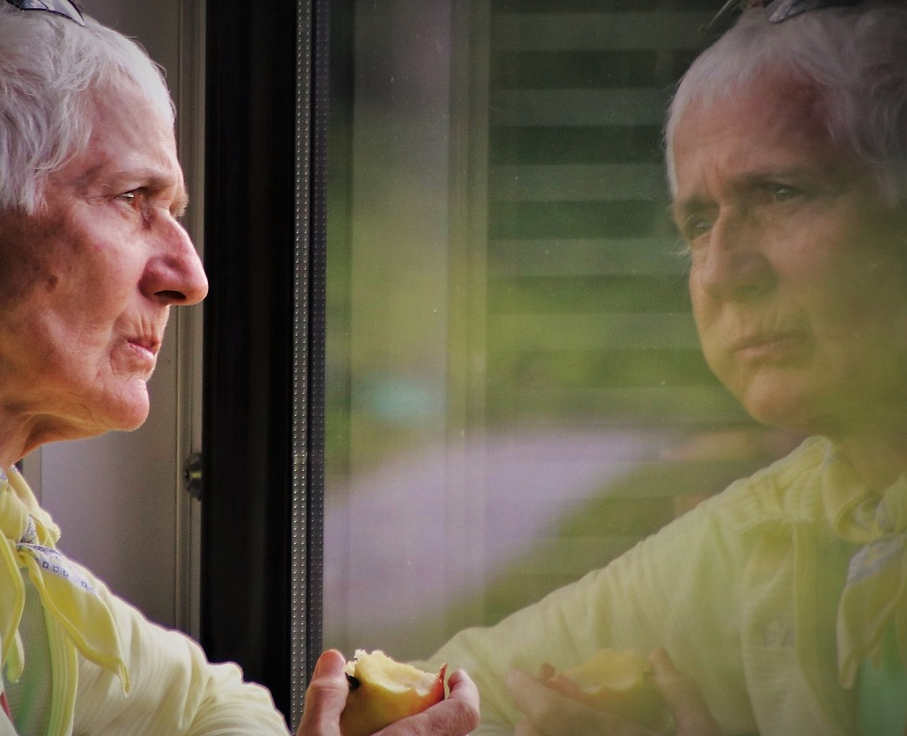
“Ambiguous Loss is a type of loss you feel when a person with dementia is physically here but may not be mentally or emotionally present in the same way as before.
“Ambiguous Loss complicates grief. It may be hard for you to recognize this grief or know how to grieve when the abilities of the person with dementia have changed.
“Ambiguous Loss also confuses relationships and can prevent moving on. For example, you may feel as if you are no longer in a marital relationship if your spouse no longer knows who you are. Yet your spouse, regardless of their abilities, is still a whole person who can be reached at all stages of the disease.”

Inspo, a Facebook page with tools and support for caregivers, explains this early grief as
“the pain of losing someone piece by piece, even as they sit right in front of you.”
The Alzheimer Society website has posted:
“Ambiguous Loss is different from the loss and grief of death because closure is not possible, and your grief cannot be fully resolved, while the person with dementia is alive.”
I recognized myself and those losses in their words.
Although I had not heard of the term Ambiguous Loss, I discovered I had been going through loss for many years before My Love’s death.
And now I knew the name for it.
Even in the beginning years, I felt the shock, the disbelief, that this disease was happening to him, and then, in a chain reaction, to me. However, once I recognized the truth, plus understood the losses I felt were very real and final, I felt a change in my caregiving process. As I became more aware, the uncertain times ahead began to seem more feasible.

At some point, a year or so after My Love’s Alzheimer’s diagnosis, I finally conceded that Alzheimer’s disease was stealing parts of his brain. I had to accept that his normal day-to-day abilities and behaviors were declining along with his mental memories. I silently grieved.
Confusion when My Love took his medications was one of the first big clues that got my attention. For years, he had taken his daily medicine routinely at the same time, and even in the same order. He lined up the vials on the bathroom cabinet counter and went through them from left to right. It was a ritual he had started for himself.
And then it wasn’t.
When I noticed…

It was around the time that My Love was having memory issues with his medications, that during an appointment, his doctor noticed, too. When his doctor questioned how My Love took his medications, My Love could not respond. He did not understand the question. He could not fill in the blanks. That was when his doctor asked me what I had noticed about My Love’s memory. We sort of collided because we both were sort of realizing that there was a memory issue happening about the same time. From then on, I was far more vigilant. Before that, his memory loss was just an aging man forgetting, which of course Alzheimer’s disease is not.
My Love began to ask me to confirm which pill he should take first. I never before had paid attention to how he took his medications. Like me, he took his meds because his doctor had prescribed them. It had not dawned on me that I would ever need to be part of his activity. But as life kept going, I found so many more things where I needed to step in and fill the spots where he no longer was in control in his life. I was sad to see his ability to be self-reliant withering. He lost confidence while I lost my confident partner.

At first, those issues weren’t big enough to dwell on, but in time as other little changes occurred, and behaviors disappeared, one upon the other, the depth of the impact of Alzheimer’s bumped into me like a freight train.
We had had so much fun together over the years, but when his planning special getaways stopped, I didn’t have the energy to become the organizer. I just made note of the memories of years before when he had coordinated everything. I made sure to remember the times when we’d been on the boat in summer or had driven through the country to see the fall colors, or driven up to to Lake Huron to see where he had camped in his younger years. When he no longer picked restaurants where he wanted to take me, by then it was easier for me if we ate at home.

I noticed that My Love seemed less able to remember appointments. He was struggling to remember times we needed to go somewhere, when before he was the one ready to go, waiting for me. I noticed he did not seem as concerned with what he was wearing, when before he always was conscious of his appearance. He wasn’t as engaged in the care of the dog, although he still loved to play with her. He had to be reminded about hanging up his clothes, about turning off lights, and eventually, he’d ask what those puffy white things in the sky were. I reminded him frequently to phone his daughters or brother, something he did a bit more prior to this new reality. I’d find him sitting on the balcony staring vacantly at the boats going in and out to Lake Ontario on the river just below us, rather than finding a way to be involved with them. Tears filled my eyes when I realized he no longer remembered his former boats, and I noticed how detached he had become from boating, the passion of his entire life. It was like the wind blew through the balcony one fall afternoon and just grabbed on to those memories and carried them away.
About the time he could no longer operate his phone, when he didn’t really understand what was going on, he stopped calling me in the mornings. He used to wake me up at 7am, for years – before and after we retired – whether he was at work, on the road, on the dock or the boat, on the balcony or in the kitchen. It was an ingrained habit. But then he stopped. And when I finally noticed that his twenty-year routine of leaving little coded post-it notes tacked on my mirror each morning had completely stopped, it was more confirmation in our relationship was waning and if I was in trouble…a truly scary new feeling.

I missed feeling My Love come up behind me and kiss my neck, or my cheek. I began to take the role of instigator to keep these habits going. But when he no longer joyously presented me with little trinkets, single flowers, or winnings from a raffle, I felt bonds of our relationship might be withering away. His brain seemed to be losing that affection connection. Although it was heartbreaking to accept, I truly sensed my role shifting toward that of a care-giver instead of a partner.

So, I became engrossed in finding the courage to openly address our love and partnership with him. I didn’t yet understand that Alzheimer’s would be creeping into our lives at every level, including eroding our relationship. I didn’t understand that wicked disease would rob me of our relationship as much as it robbed him of of his former life. Finally, it dawned on me that we were beyond discussing our relationship. It had changed, no question. I finally realized that his stopping the phone calls and abandoning his note routine were just part of the unexpected losses showing up as his brain was progressing on the Alzheimer spectrum.
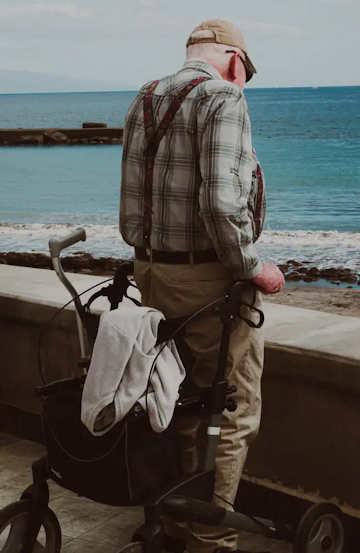
I always thought it was a blessing that My Love honestly didn’t know he had changed at all. With Anosognosia, he was incapable of understanding anything was wrong with him. He had no idea he was sick. He would argue with me if I ever mentioned it. And we know, those with Alzheimer’s always win!
I worried he’d forget me entirely. But to the end of his life, even during those last three years when he no longer remembered my name, he always had a smile for me, especially when I’d walk into a room where he was. When nurses asked who he brought with him to an appointment, he’d respond, “Mine” He still felt connected enough to come up with an identity that he could remember. I was grateful our bond had been so strong.
Even though I didn’t seem to be able to stop thinking about my early losses entirely, going through grief eventually showed me that I could figure things out by myself. I found Ambiguous Loss definitely created a need for sorting out the grief-in-caregiving so I could stay-the-course beside My Love.
All grief impacts your entire life
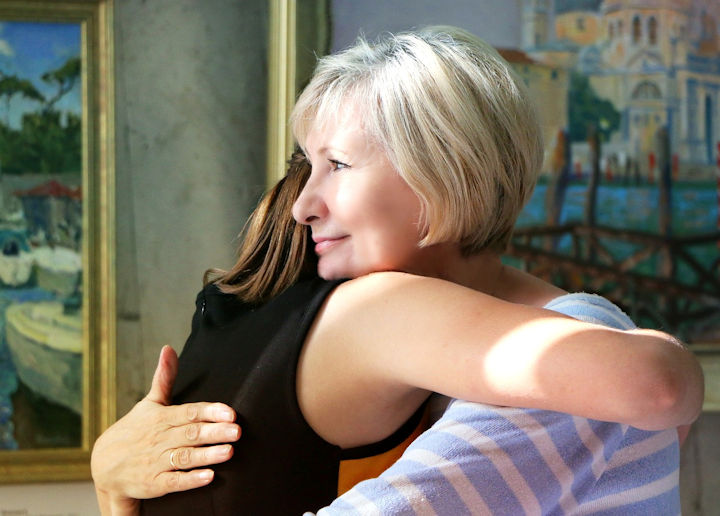
Finally, I understood the totality of what was happening, how memory loss was impacting not just his functions and memories, but our relationship. He still was living, but not as before. I had to let go of expectations and be happy with what was.
I believe I saw the positive side of grief not only because of Ambiguous Loss, but because that early grief came in slow stages, inch by inch throughout the ten years of his illness…and even now that My Love is gone, grief, although a stronger emotional suffering, continues. It was those ten years that allowed me to unravel what had happened as, over time, I experienced Ambiguous Loss. I had time to process each new uncertainty, new behavior and each new demand. For me, Ambiguous Loss was a gift of grief.
Remember to contact your counsellor or therapist or the Alzheimer organization near you, if you feel overwhelmed by any part of your caregiving role, especially when you encounter grief for the first time. It is difficult to be a caregiver without the added stress of grief. Help is there for you, but you must reach out and ask questions and let others know you need help. There is no shame in asking for help, especially when there are many out there waiting to help you. You can always email me, and while I do not have all the answers, I can make suggestions. ~Judy
Grief related pages here:
You may also want to read:
“Healing, Going Forward from Grief” by guest author, Jean Lee
“In Memory” by Judith Allen Shone
“Just Love, With No Place to Go” by Judith Allen Shone
Remember the Alzheimer Society (1-800-616-8816) near you or Acclaim Health (1-800-387-7127) in Halton, Ontario area are there with programs to make your burdens lighter during your caregiving years. Call them.
Ambiguous Loss & Anticipatory Grief (c) 2023 Judith Allen Shone
READ MY BOOKS ABOUT THE JOURNEY OF CARING FOR ONE
with Alzheimer’s disease, Vascular dementia, COPD and anxiety,
or read them as a book club selection,
or gift them to someone who might benefit. – jas
Read comments from readers – PRINTED IN LARGE TYPE for easier reading.
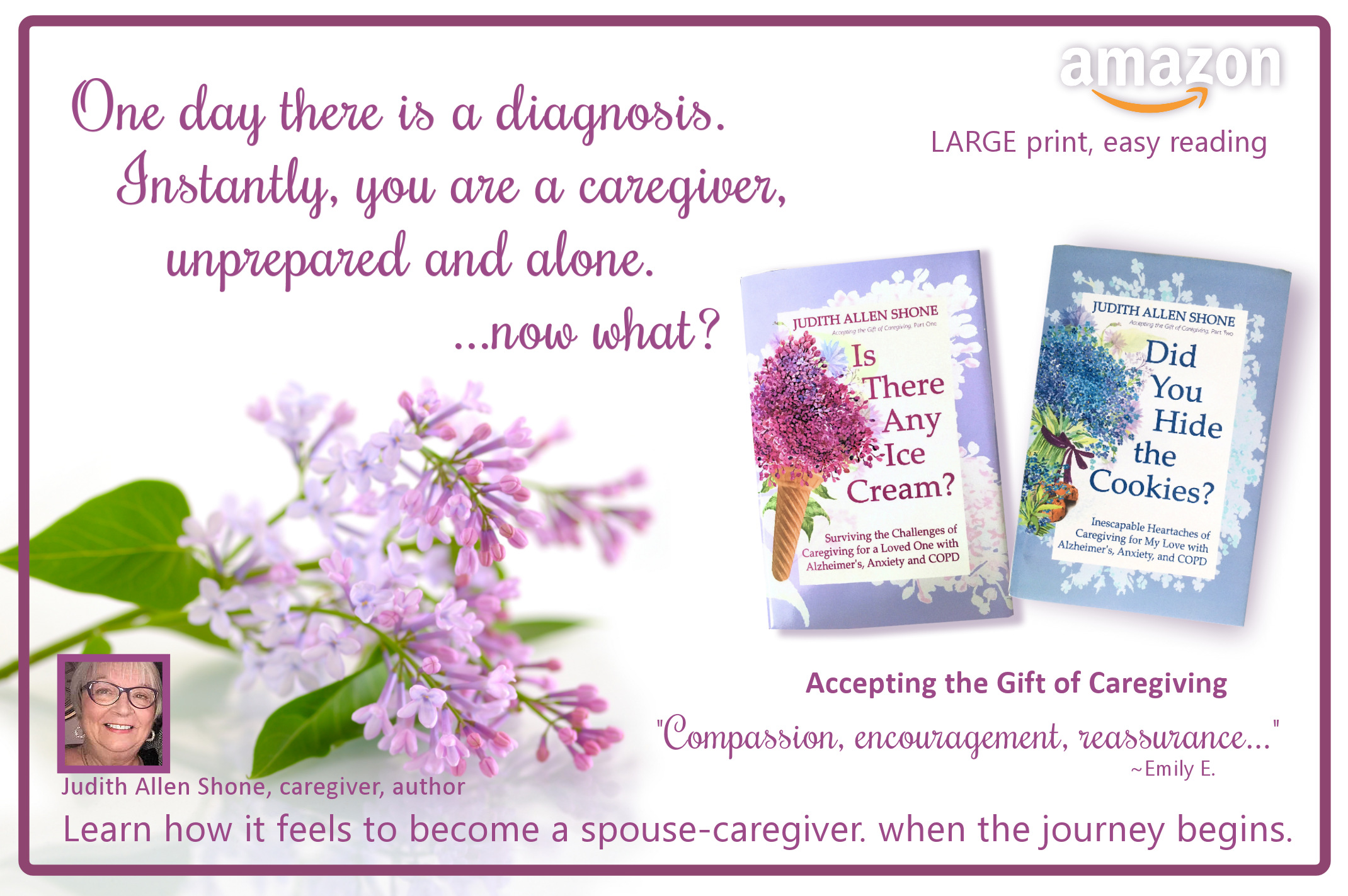
 Accepting the Gift of Caregiving