
October 6, 2023 by Judith Allen Shone 🍦 🌕

“I did it!”
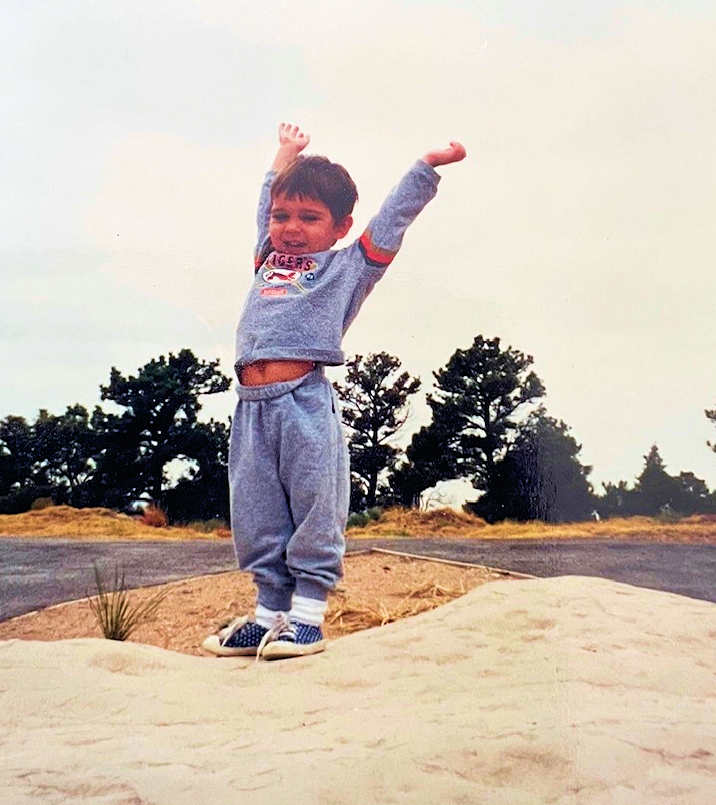
What a great feeling those words bring up…we often feel our own confidence bursting at the seams just at the success of anyone who realizes they have reached a level of competence and self-assurance.
We want to feel that same confident feeling, in our caregiving life, too.
Most of us have a feel-good “I did it” moment we can recall.
Maybe…
… after practicing a piano piece, you finally got it right.
… after rehearsing a conversation before making a phone call, the words actually came out as you planned.
… when you promised yourself you’d pick up the kids at 3:30 after school, you actually were there and on time.
… you were at the bus stop before the bus arrived.
… you were able to get your loved one into the car to go to Seniors Day Program with a smile on his face.
Not everything we do starts out as a confident moment. There might be a learning curve, a trial and error period of action and reflection, plus correction to match the intention. ‘Success that builds confidence’ takes time.



Finding caregiver “I did it” moments
You may already have found that caregivers for those with memory loss do not always have that great feeling of confidence. So when we do, we treasure it.
The best way to ‘go for it‘ is to aim for a goal where we do the best we can ‘at that moment’ each time we are called upon to do something for our loved one. Confidence comes from our effort, not the effort of the loved one. We know each time we do a similar activity, the response may be different, so each time may be like learning from step 1 all over again. Eventually, caregivers learn to be happy when we get to the end of a day. But we still yearn to have that “I did it” feeling, that confidence that reflects doing something we set out to do, and did it, no matter how small a goal it might seem to anyone else.
With a little shift in our thinking, successes make YOUR confidence growth possible!!

“The calmer you are, the clearer you think…
Move with strategy, not with emotion.“
Look for that moment when you knew things went right, when you felt confident it could happen again, when you knew ...YOU did your best… not that the result was what you expected. We are talking about YOUR confidence, not that of your loved one.
How do we get that confident feeling? By wording our caregiving tasks so that we honor the task, and honor our part in it as doing the best we can do.
By wording our goals in a way we know we are likely to succeed, we will breed confidence. Knowing that what we have done is what we set out to do, we acknowledge and give ourselves credit for small victories. Success builds confidence, even if we do it small step by small step. Knowing we did the best we can all adds up to confidence.
We don’t begin by climbing to the top of the mountain.
If your goal was for your loved one to make it to the car with as few mishaps as possible, and you were able to do your best to guide them, you can rejoice and feel confident that was a success because YOU did YOUR best.
If your goal was to help your loved one complete a meal with as much eaten as possible, and that happened, you can be glad and feel confident that was a success because YOU did YOUR best. .
Remember, we can only help or guide as much as is possible. As custodians of the care of our loved ones, caregivers look for success in their activities…any success IS success!
Tools that lead to success and confidence
FIRST AND BEFORE ALL ELSE: Caregiving is easier when shared with family, friends, other caregivers or professionals. It is an imperfect situation, with variable challenges; it is a task best carried out with the support and guidance of others.
I have not always been confident when starting down a new path, nor when I tackle a new situation, nor when fear faces me head on. I was grateful to find helping hands and minds when I needed them. These are some of the things I have noticed that changed my perspective and helped build up my confidence.

1. Not trying to figure out unfamiliar situations by myself.
There are teams of people educated in the realm of memory loss, who when asked, have many answers. In my case, the Alzheimer Society in our region became my team. I had a counselor and educator. There were classes and activities. We met often with others in the same situations, walking similar paths, meeting similar obstacles, needing similar help. Meeting with these folks became routine, part of my life for the years My Love had dementia. Personally being able to explain situations to someone, to get strategy suggestions and guidance first hand, gave us confidence to take on tasks we otherwise would have felt inadequate to do.
2. Finding lifelines and social connections.
Going to classes together meant meeting one another many times. This was a great opportunity to visit and make friends and share experiences. These friends lasted through our caregiving years and beyond. They often felt the same emotional reactions to circumstances and knew what we were talking about without great explanation. We depended on professionals, our medical worlds, counsellors, and those who qualified to care for our loved ones. We built each other up, which fed the confidence we each needed to carry on. We were lifelines for one another.

3. Seeking education
Whether from Alzheimer Society “I want to learn” classes or websites, videos, or podcasts, or books, armed with resources and information, the tasks of caregiver can be cut in half.
Keep notes from the first day. Learn where to look, who to call, and keep a record for later. Being prepared reduces the burden of responsibility. Having emergency information and phone numbers handy, maybe posted in several rooms in the home, will help reduce stress and worry. Have the information ready so you won’t have to look it up.
4. Sharing trial and error strategies
So many of the dementia experiences have commonalities…emotional and physical…along the disease spectrum. Many of what caregivers learn, they discover through trial and error. We hear of an idea from a counsellor or another caregiver and try it. Confidence in the life of a caregiver can be built upon the knowledge they have learned when situations happen in their life. They know solutions -and if not, know who to call for help because they learned and then experimented.

5. Creating routines and making self-promises
Routines keep us from having to rethink the wheel every day. Create a sense of routine, everyday habits, as simple as getting up and going to bed at the same time every day. The results will help build your successes which build confidence. You can do it. Promise yourself, vow to do these two tasks for your self-care. Watch as your confidence in your abilities to do what you set out to do grows.
Remember….
With teamwork, instruction, experiences, and social connections you will find you have transformed your fears into courage, your successes into confidence. You will be the one saying, “I did it!”
Note: Thank you to AlzAuthor Author Susan Landeis for use of her quote-graphic. Read her Guest Author post on this site: “An Unexpected Journey” where she discusses her book, “In Search of Rainbows.” We learn how sometimes what we think could be the hardest lesson in life, turns out to be the greatest gift.
Becoming a Confident Caregiver (c) 2023 Judith Allen Shone
Printed in LARGE TYPE for easy reading. eBooks can be read to you by Kindle reader.
The season for giving is any time…Be sure to consider the caregivers among those your remember.

 Accepting the Gift of Caregiving