
April 07, 2021 by Judith Allen Shone 🍦 🌕

DEMENTIA DEFINED

The Alzheimer Society says that dementia “doesn’t actually refer to one, specific disease. Rather, it’s an overall term for a set of symptoms that are caused by disorders affecting the brain.”

DOWNLOAD – What is Dementia?
Read the Alzheimer Society explanation of dementia and the related symptoms that define disorders formed under the umbrella of dementia. Once you begin to understand, you will realize that although the words dementia and Alzheimer’s sometimes are used interchangeably, they are not the same thing.
BECOME FAMILIAR WITH SYMPTOMS
In our lives of fast and furious, we often don’t watch or listen carefully to our family members or our closest friends any more.
By ‘becoming aware’ we can be more alert while observing the people we live with and love. We might even catch symptoms that could signify memory loss, early enough for doctors to confirm and provide current treatments.
Learn to recognize possible signs or symptoms.
We don’t notice when brain cells begin to deteriorate. But when changes become more obvious, it is helpful to know ‘red flag’ symptoms of dementia. Alzheimer’s disease is just one of the disorders under dementia.

The Centers for Disease Control and Prevention (CDC) website states that “scientists do not yet fully understand what causes Alzheimer’s disease. There likely is not a single cause but rather several factors that can affect each person differently.”
They defined Alzheimer’s disease as “the most common type of dementia. It is a progressive disease beginning with mild memory loss and possibly leading to loss of the ability to carry on a conversation and respond to the environment.”
“Alzheimer’s disease involves parts of the brain that control thought, memory, and language. It can seriously affect a person’s ability to carry out daily activities.”
EARLY SYMPTOMS OF DEMENTIA
Because they develop over time,
these symptoms can be mistaken for phases of the aging process.
** If you notice significant changes or any of these signs,
have a doctor assess your suspicions.**

According to the author of the #1 dementia bestseller, “The 36 Hour Day,” Dr. Peter Rabins,
“Dementia is brain failure.”
Some symptoms are shared by many dementia diseases.
- Memory problems, especially recent events
- Confusion
- Reduced concentration
- Personality or behaviour changes
- Withdrawal or apathy of depression
Observe A Test for Alzheimer’s in a doctor’s office.
POSSIBLE SIGNS OF DEMENTIA
The following is not an exhaustive list, but shows behaviours that might suggest the need for further medical assessment. These signs are commonly seen on many sites. Review the list to become aware.
1. Forgetfulness: The most noted sign; when birthdays, names, addresses, places become fuzzy or forgotten.
2. Recall: Difficulty remembering facts just learned, such as a movie thread, the news of family information. Short-term memory loss.
3. Daily tasks: Overlooking daily tasks such as preparing meals, feeding pets, showering, those once familiar routines.
4. Word finding: Simple words don’t come easily or are mixed up in normal conversation.
5. Disorientation: Time and place get mixed up, as do meal time and bedtime.
6. Poor Judgement: Decisions are questionable or seem hard to make.
7. Confusion: Signs of bewilderment and uncertainties.
8. Abstract thinking: Ideas that are not right there to observe becomes difficult. Challenge with meanings of numbers.
9. Losing things: Misplacing a wallet, keys, purse, or leaving them in the wrong place as in the freezer, or bathroom or dishwasher.
10. Mood changes: Mood swings without apparent reason.
11. Behaviour changes: Erratic behaviours and mood swings.
12. Lack of interest: Passion for activities has disappeared.
13. Withdrawing: Retreating from social contact.
14. Personality changes: Behaviour that is unlike the normal.
15.Suspicions: Irrational and not trusting attitude.
16. Fearful: Similar to confusion, but with paranoias and other changes.
17. Requires prompting: Loss of initiative, loss of cues for tasks
18. High blood pressure: from when normal was standard
DEFINITION OF ALZHEIMER’S DISEASE
“Alzheimer’s disease and other diseases causing dementia slowly steal all memories and abilities that have been learned since infancy – a process of progressive, permanent amnesia. All dementias are characterized by progressive brain failure due to brain cell deterioration and brain cell death. There is no cure for dementia at present. As the brain deteriorates, the person’s ability, understanding and behaviour go through many changes.“
~ Ghent-Fuller, Jennifer. Thoughtful Dementia Care: Understanding the Dementia Experience (p. 1). Jennifer Ghent-Fuller. Kindle Edition. 2012

Click title to watch YouTube video, “HOW DO YOU KNOW IF YOU HAVE ALZHEIMER’S?” from Dr. Peter Rabins, author of the #1 dementia bestseller, “The 36 Hour Day.” He advocates getting an early diagnosis as he discusses the symptoms of Alzheimer’s disease.
THEN watch Dr. Rabins’ YouTube video The Joys and Challenges of Caregiving. He explains dementia as well.
From the video by Dr. Peter Rabins Video, The Joys and Challenges of Caregiving.
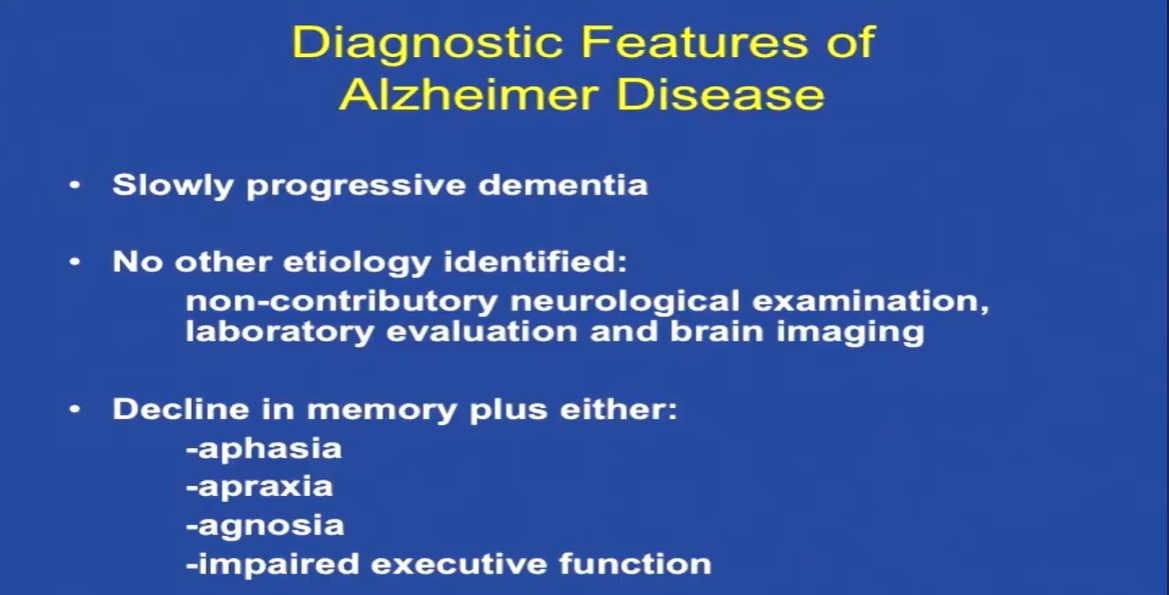
If there is a need for further assessment:
…make an appointment with your loved one’s GP (general practitioner) or geriatrician, or connect with one of your local Alzheimer or dementia groups.
Review resources available on these sites specific to Alzheimer’s disease:
ALZHEIMER SOCIETY – Canada
ALZHEIMER’S SOCIETY – UK
” Signs of Dementia” Copyright (c) 2021-2023 Judith Allen Shone
 Accepting the Gift of Caregiving