
July 15, 2023 By Judith Allen Shone 🍦🍪

PREPARE FOR EVENTUALITIES

Among all the caregiver minefields, one of the biggies is the subject of when loved ones should discontinue driving.
It is important, and thus our discussion here is to become alerted to the emotional uncertainties caregivers face when time comes to decide the loved one must no longer drive.
Driving with dementia is very serious, and a topic that not only is stressful for a caregiver but also can change the dynamics of the caregiving relationship and experience if caregivers are not prepared for eventualities.
THE FEAR OF LOSING INDEPENDENCE
My elderly neighbour hid the fact that she had signs of memory loss showing up. The number one reason she refused to tell her doctor about her symptoms was that she was afraid the doctor would report her and her driver’s licence would be taken away.
During a visit, I happened to bring up driving with respect to my partner who recently had to relinquish his licence. His Alzheimer’s disease had advanced to the point where it was prudent for him to discontinue driving, and I was expressing gratefulness that we had gotten beyond the issue with less emotional damage than anticipated.
However, the conversation triggered her anger. I could sense she needed to tell someone, so I listened. But, before she revealed her fears of not being able to drive anymore, and that she had been putting off a driving test required at her age, she swore me to secrecy…not to report her, not to tell her doctor and definitely not to tell her daughters who lived in nearby cities.

Does your loved one recall the Rules of the Road when driving?
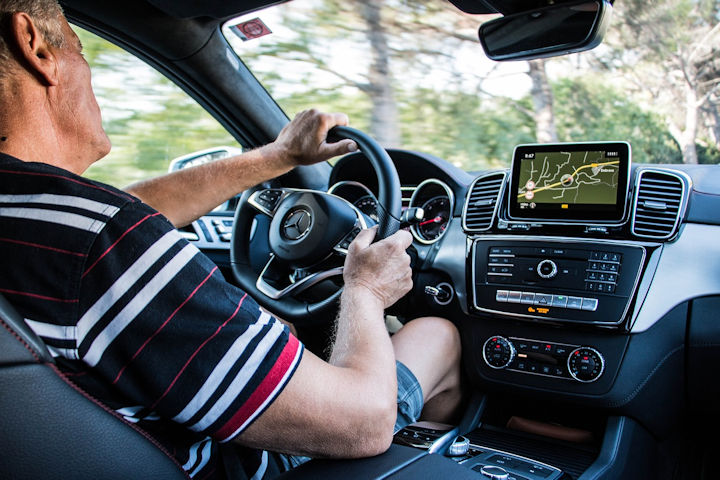
Should your loved one continue to drive? Find ways to make the decision.
Even My Love, who never wanted to voluntarily forfeit his licence, periodically sat on the balcony in tears, trying to come to terms after he had no car to drive. His vehicle’s rear axel split in two and his van dropped onto the concrete in a parking garage while, fortunately, he was going a very safe speed. Knowing I, as spouse and caregiver, did not want to be the bad guy for reporting his declining driving skills to the Ministry of Transportation, the Universe had taken the issue in hand.
In his case, I believe we both were lucky. Without a vehicle My Love could not drive. The van had become the bad guy! And me? Inside, I was grateful. Outside, I lamented with him that things would be different, but we would still go places together, but in my car. In time, his doctor reported to the authorities, but by then, it was a done deal, and My Love had not crashed nor hurt anyone. The doctor’s timing allowed a cool down period. Eventually, it became a non-issue as My Love’s memory declined and only once in a while did he mention wishing he had a car so he could go somewhere. I’m sure he missed his independence although he couldn’t put that concept into words at that point.
Most of us, with dementia or not, would not choose to give up our independence, or the freedom that driving seems to give us. But having dementia makes driving more risky. We recognize, too, that safety issues make this a much more complicated issue than what we ‘want’ to do. The choices that have to be made and how they come about are what make this such a delicate passage on the Alzheimer journey.
PRESERVE YOUR RELATIONSHIP TRUST
Be aware that how this topic is handled will impact
the caregiver’s ability to care for the loved one,
as well as
the loved one’s ability to trust the caregiver
when the next decisions have to be made.
DRIVING IS THAT IMIPORTANT TO THEM!!

Relationship trust makes being a caregiver so much easier.
SUCH A TOUCHY SUBJECT

Observe your loved one under all road conditions. Make notes.
Asking a loved one to relinquish a driver’s licence is likely one of the most emotional encounters a caregiver will experience. Many caregivers dread the moments when this subject arrives and must be discussed. It’s not always easy to make all the decisions and find the right words alone. Some get help when the topic must be discussed! Speak to your loved one’s doctors and organizations working with dementia loved ones. How delicate is the tightrope we walk, balancing the need for safety for everyone on the roads, and the needs for freedom and independence of one who has driven almost 70 years. My doctor told me the driving issue brings out the worst in her patients when it comes up. They become angry, defensive, and, in some cases, physically distraught. She assured me it was not unusual. I knew what to prepare for, although I was surprised at the depth of anger when it came.
Remember, cognitive decline is the ‘red flag’ that our loved ones must stop driving. When and how and who tells them is the discussion caregivers will be having with their various care providers if they need assistance.
The two most important aspects of driving with dementia that most authorities, authors and hosts do agree on are:
1. always keep loved ones, and those around them safe, and
2. ‘driving with dementia’ comes with great risk to everyone involved.
- You can observe your loved one’s behaviours.
Try to see what they see…
Does it make sense to them?
KEEP TRACK. KEEP NOTES. - WHAT CHANGING PATTERNS DO YOU SEE?
- DO YOU feel safe in the car? Will you ride along?
- Slow reactions? Driving too slow or too fast for posted limits?
- Poor eyesight or limited hearing? Missing signs?
- Lacks multi-tasking abilities? Seeing children on the side and the car ahead?
- Distracted from driving while talking? Reacting quickly?
- Poor judgement? Merging lanes cause confusion?
- Forgets where you’re going? Forgets directions? Easily confused?
- Forgets the road rules and traffic laws? What’s the speed limit?

We don’t always know what our loved ones see or hear. Pay attention to their actions for clues.

Doctor testing can help assess the current status of ability to drive safely.
You may find your doctor has access to cognitive-related worksheets that can periodically help assess driving safety and skill levels, and even identify warning signs for drivers who aren’t yet willing to hand over their keys. If the doctor can give the test, this allows the caregiver to remain neutral and be the good guy. But there is no guarantee the loved one will comply.

Read about my world of caregiving
in caregiver books:
“Is There Any Ice Cream?” and
“Did You Hide the Cookies?”
by Judith Allen Shone
Because your doctor is familiar with your loved one’s history, they may have suggestions on the best way for you to approach this topic or have suggestions of resources. If not, keep going.
If you have not done so, ask Alzheimer organizations…a phone call can introduce you to the most helpful people you can turn to during your journey. Talk to other caregivers who have gone through this experience. Be sure to ask questions in classes where this is discussed. Refer to caregiver books – a number focused on caregivers for loved ones with Alzheimer’s might be in local libraries, in the Alzheimer Society libraries, or caregiver-told books listed on AlzAuthors website. There is nothing better than helpful guidance from another caregiver.
The dilemma is if you discuss it early enough after original diagnosis, the loved one still has enough memory to understand the possibility of losing their freedom and independence…they can still understand the day is coming when they will no longer be licenced to drive. Ideally, that would be the time for discussing how drivers with dementia face double the risk of crashing, of hurting themselves and untold others.1 Or worse. That is the logical time when the licence could be revoked. But that reasoning does not work if you are the one with memory loss losing the licence. Those with dementia can become devious, like my neighbour, and keep their memory loss a secret. Or like my partner, might fight and “bare his teeth” in anger if anyone suggests that he give up driving under any circumstances. My Love would never listen to available solutions that could replace the car. His focus was hardwired to keep his licence.

As caregiver, give attention to keeping the avenues of communication open throughout your journey. Listen often. Find ways that benefit both parties.
FINDING ALTERNATIVE WAYS ‘TO ‘GET AROUND‘

There are a number of options for transportation. Research and find what works best for your situations.
As a caregiver, I always felt I wanted to be ahead of the game in whatever issue was coming next that I had to learn about. When I realized My Love would eventually not be able to drive, but still want to get around, I began to research the local services available.
In the earlier period of dementia, we had more options, because My Love could still do some things independently. Later I felt the need to have him in safe situations, which meant something more regulated or controlled.
First, of course, I had a car, and was caring for him full time. I could usually take him wherever he wanted to go. He rarely had driven my car, so for us, that did not become an issue. I went with him just about everywhere he went. And he adjusted over the years.
INVESTIGATING LOCAL SERVICES
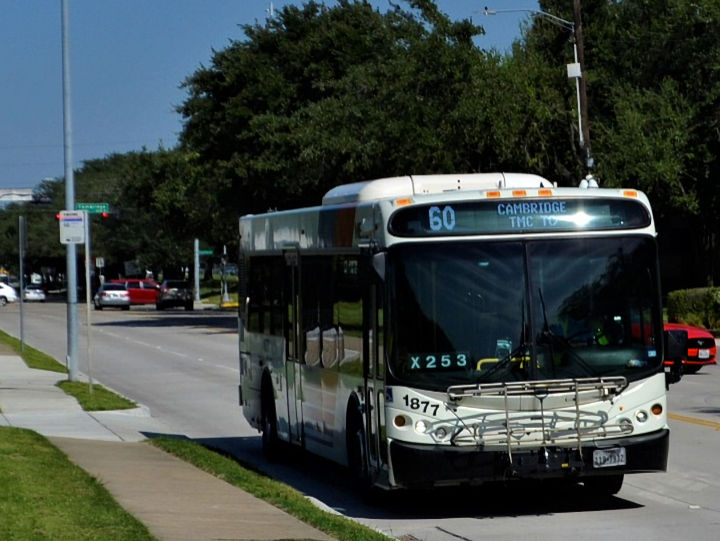
Seniors in Oakville, ON can ride the city bus for free 2/7. Check your city. The GO Trains had weekend passes that are reduced rates.
We lived near town, and were on several city bus routes, with bus stops within a half block in three different directions. Seniors were able to ride for free every single day, all day. Of course, the bus worked best if the bus route was near the destination. Early in dementia a bus might have been a workable solution. It would have been advisable to ride with My Love once in a while to observe and be sure that his ability to make decisions, and his ability to get on or off at the right spot, was still intact. Getting to know the route, where to get off, and how to navigate to the destination would be the project related to riding the bus. And sometimes, possibly the driver could pass on behaviours noticed that seemed out of the normal routine.
Our town had cabs and Uber pay-per-ride services. One need only call and they would take someone just about anywhere in town. It was not free, but available.
Later, as his disease progressed, a couple times a week My Love attended a Senior Day Program. The program was designed for seniors living with dementia or other challenges, and supported each person’s interests and needs. Each time I took My Love to the “club,” as it was lovingly called, I noticed a van bringing other members. I made inquiries.
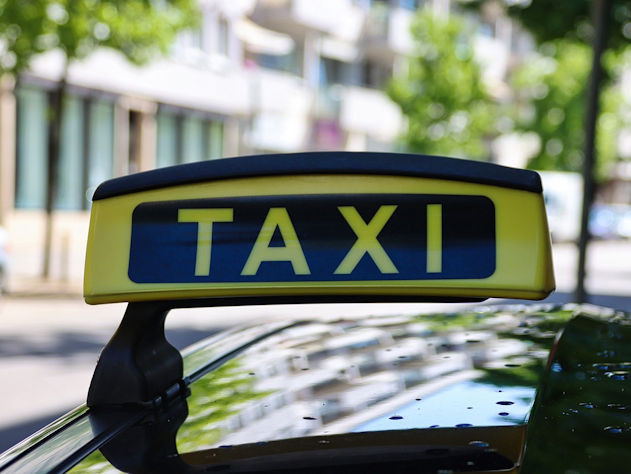
Pay-per-ride services exist in many towns. Keep the number handy.
This small ‘bus’ was called a “Care-A-Van,” a door-to-door specialized transit service for those with disabilities, who were unable to use the conventional transit system. Applications had to be completed, with referral from a medical practitioner. Most vans were disability friendly, enabling wheelchairs or walkers onboard and had mechanisms to lower the stairs for easier entry. The drivers were always helpful and got to know the passengers over time. We had to schedule ahead of time for pick up time based on when he was to be there. And likewise, we had to schedule return trips. It wasn’t free, but the senior rates were more than reasonable. It made sense to purchase rides in advance to make a smoother transportation experience for my loved one.

Learn more about the Care-A-Van in your community.
GATHERING YOUR RESOURCES

Investigate, gather information, write it all down, know where to find it. During your caregiving years everything you discover, hear or read or happen upon will become important.
A caregiver must learn to reach out and let people know what they need. There are people to help, but they have to know what is needed.
It is okay if caregivers need help finding sources for transportation assistance. There is no shame in not knowing. Gather information. Ask everyone you know. Various types of help could be available from charity organizations who focus on helping the elderly, or even the disabled, get around.
Libraries might have listings of the organizations that offer rides, like the Red Cross, or Friendly Neighbours. Church groups might have similar assistance. Call to ask. It is possible that a neighbour might be available for certain days to help when needed. Various community social clubs, such as Elks or May Court Club might have charity projects that include helping seniors in various ways. Ask. They might even develop one just for your need…Ask. You might call health charities in your area. You can ask each of your doctors. Talk to the PSW workers who come help with other services. They have contacts and might have helpful transportation information.
The city offices might have additions for the list. Newspaper offices might have references for transportation services for seniors…their ad department might even know.

What can they see? hear? How fast can they make decisions? Do you feel safe? How long do you wait to take action? Talk to your primary care provider for guidance.
There are a number of driving and dementia webpages where information is available…each with their own perspective, emphasizing that the difference in loved ones makes having alternatives beneficial.
Among her many valuable videos, Teepa Snow has a video related to dementia and driving scenarios. When you have time, spend time with her problem solving videos. Acclaim Health, in our SW Ontario area, might suggest a driving companion. There is help at the Alzheimer Society of Canada, check for information from experts. I found having an Alzheimer Society counselor to talk to helped immensely in many situations over my ten years.
Although a number of different philosophies exist surrounding when, and the manner in which, the licence of the loved one could be discussed, it is always prudent to speak with your primary care provider , perhaps having notes, preferences and a site to reference before initiating any actions. That way everyone is “working from the same page.”
One site, Warner Law Offices, in West Virginia and Colorado in the US, has created a “guide that details the [US] laws” behind the need to consider dementia and driving. The premise however, is true for anyone- pay attention to warning signs to prevent “catastrophic results.” They also name US Alzheimer related organizations as references.
You may follow a podcast or host you like, or can check archives of some that might have dementia and driving topics, You just really never know what is going to work until you get to the situation so it is helpful to get as many perspectives and suggestions as possible for the caregiver toolbox.
NOT ALL INFORMATION and strategies will be applicable for every loved one or caregiver. But the more choices, the more likely something will work. Spend time finding what resonates with you.
Accumulate a collection of names and numbers, services and organizations so that your future will have fewer transportation hassles and frustrations, less confusion and smoother caregiving days.
Caregiving is probably one of the most important jobs or tasks we will have in our entire life. Do it with love.

The author and her mother

1-“After the Dementia Diagnosis: When to Stop Driving: One-of-a-kind Canadian tool helps to make the hard decision” Centre for Aging + Brain Health Innovation (cabhi.com) (Thank you)
Original Time to Stop Driving? 2023 © by Judith Allen Shone, All Rights Reserved.
 Accepting the Gift of Caregiving