
If you need to respond to an emergency
…and you are not sure whether you should leave your building for a fire or flood, or to go to the Emergency Room for health issues:
1. For fire or flood issues, leave the building, or follow posted directions, or those given by your building superintendent or landlord.
2. For health issues, call Telehealth Ontario 24 hours a day, seven days a week and speak to a Registered Nurse, toll-free at 1-866-797-0000.
3. For health issues, in a medical emergency,
Call 911 immediately–Do not call Telehealth.
4. For crisis issues, call 1-877-825-9011 C.O.A.S.T. – Crisis Outreach and Support Team in Halton Region, Ontario.
Become familiar with these emergency groups ahead of time, know how they differ, and how to respond.
URGENCY happens
..that moment when you are in a panic and don’t recall where you need to call or where the phone numbers are. Sure, they’re in your phone…maybe…but where is your phone right now?
‘You-Fill-In’ EMERGENCY LISTS AND INFORMATION
(1)
U.S. Department of Health and Human Services prepared this quite extensive– DOWNLOAD Emergency Readiness “JUST IN CASE EMERGENCY” brochure – information that covers many areas that we might want to consider. This form is US, and so Canadian equivalents need to be included instead for Canadian households.
I would suggest creating one page per person, loved one, caregiver and anyone else in same household with only information related to that particular person. Have this list replicated in the kitchen, bedroom and bathroom and by the exit doors for service personnel and for caregivers.
(2)
In addition, place your Emergency Contacts copies-the following list -of in the same room and same place as the readiness form. This list is for anyone who needs to make calls quickly and can’t look them up.

Download this form..Make copies and put them in prominent places in your home and in your Grab’n’ Go bag.
This generic form has been adapted/combined from several regional forms, plus INSPO from Facebook.
That’s the blaring sounds of the fire alarm in our building that you hear!

It was 8 o’clock in the morning. I had just poured my coffee, thinking it was time to begin wake up calls for My Love. But as I placed my coffee down on my desk, loud, high-pitched sounds began to pierce the air. Our building fire alarm was blasting through our speakers.
First, I went to waken My Love. He had not been disturbed by the sounds. In fact, he was still asleep. I nudged him and when I asked if he heard the fire alarm, he grumbled, “what?”
My Love normally had excellent hearing, but right then when I asked him if he heard the alarm sounding as he slept, he mumbled, “no.”
That is not good news…he can’t hear those harsh, loud sounds, plus they mean nothing to him!

The rule of thumb for fire alarms has been ‘everybody out.’ Except in our case, we live on the twelfth floor, we are nearly 80 years old and physically could not walk down the twelve floors very fast together. And if we encountered fire and had to go back up and then down the other side, we could become a distraction the fire department would not need. We have been told we are on the building’s ‘high risk’ list, and have been advised to stay in our apartment with a wet towel on the floor by our doorjamb. We were assured that if we needed to leave, the firemen would come get us. That’s exactly what we do.
In case we had to be ready to leave the apartment, I slipped on a dress and put on my sandals.
I told My Love, “You have to get up right now, and get dressed . . . right now.”
I repeated it a couple times, but he did not understand my urgency. His eyes opened, and in his normal snail-paced movements he sat up, looked at me and asked, “what?”
“There…those sounds That is the fire alarm!” I reminded him. He just looked at me. Silence. I could tell this time he had no memory of what those incessant sounds meant.
I explained, “There’s a fire in the building and we must be ready to leave if we are asked to go.” Grabbing a shirt and pants for him to put on, I continued, “You have to be dressed if the firemen come to take us downstairs.”
Since “fire” means nothing to him — the alarms now must be MY ‘wake-up call!‘

My words did not increase his pace one bit. He did not relate to my coaxing. He slowly removed his pajama top and began to put on his day clothes.
There was no way I could speed up the process. If I became anxious, My Love would become anxious and dressing would be halted. I waited. One leg in the pants. The other leg. One sock on. The other sock. I tried to tuck in his shirt while he leaned over to put on his shoes. He pushed me away.
On the way down the hall to the living room, he took a detour to the bathroom.
Good. He will get that over with.
Instead, he picked up his comb and began to smooth out the ‘messy look’ from his sleep. I forcefully reminded him to use the toilet, with a small demonstration to be sure he understood.

The alarm had not stopped. The ongoing reminder to hurry did not mean emergency to My Love.
Quickly, I gathered my phone, my purse, My Love’s puffer, a water bottle and our “emergencies” bag and placed them all beside the front door. In the moments of excitement, I wanted that ‘stuff’ accessible if we had to leave in a hurry. That was a reminder that I should update that bag when the crisis ended. (Download my Grab ‘n’ Go Bag list below.)
I knew my personal role in the fire alarm script. I was not ready with an evolving plan for My Love. I am not even sure I could make one now. I was acutely aware that he could no longer think for himself in emergencies …at all.

Once in the living room he began turning in circles, holding his hands over his ears. Those earsplitting sounds were still resounding through the speakers. He was definitely feeling the vibrations. I opened the patio door to see if I could smell smoke. I stepped out and looked over the balcony. No one was there. Usually for fire alarms, there are people from the lower floors in the back garden area. I saw no one. Although I had smelled smoke, I saw none.
I quickly walked through our living room and kitchen. There was a faint smell, coming through the air duct. I could only suspect it was a kitchen fire that had set off the alarms. With that in mind, I went back to check on My Love.
“Why don’t you sit out on the balcony until we know if we are staying or going,” I mentioned, as I directed his focus to the balcony chair.
“Where are you going?” he looked at me. “I am going with you.”
I gently directed him to sit on the couch. “I will go see if anyone is in the hall,” I reassured him, so he would not follow. “Then we’ll know what we will be doing.” I walked to the door.

As I looked through the peep hole, in the hall walking toward our door I saw three firemen dressed in full PPE. (Personal protective equipment – a term I learned because of COVID-19)
I opened the door to see what they’d say.
“Just investigating, ma’am. Is everything OK in here?” he asked stepping into our entry hall. “Let me look in your kitchen,” he said, passing in front of me toward the kitchen door. “Everything OK here?” he asked again. I nodded and said, “yes.”
After checking our smoke detector, he left our apartment and knocked on our neighbor’s door.
I got My Love a coffee, and we sat in the living room until the alarms stopped and the fire department announced that everything was under control. “Have a good day.”
And that was that. We would never know if it was a nuisance alarm or a prank. We would not hear if it was a kitchen fire or someone smoking in bed, or a short in the system. We just knew the fire department felt good enough to leave.
But lessons for me were how unprepared I was….I had been given a glimpse into an experience that might happen again.
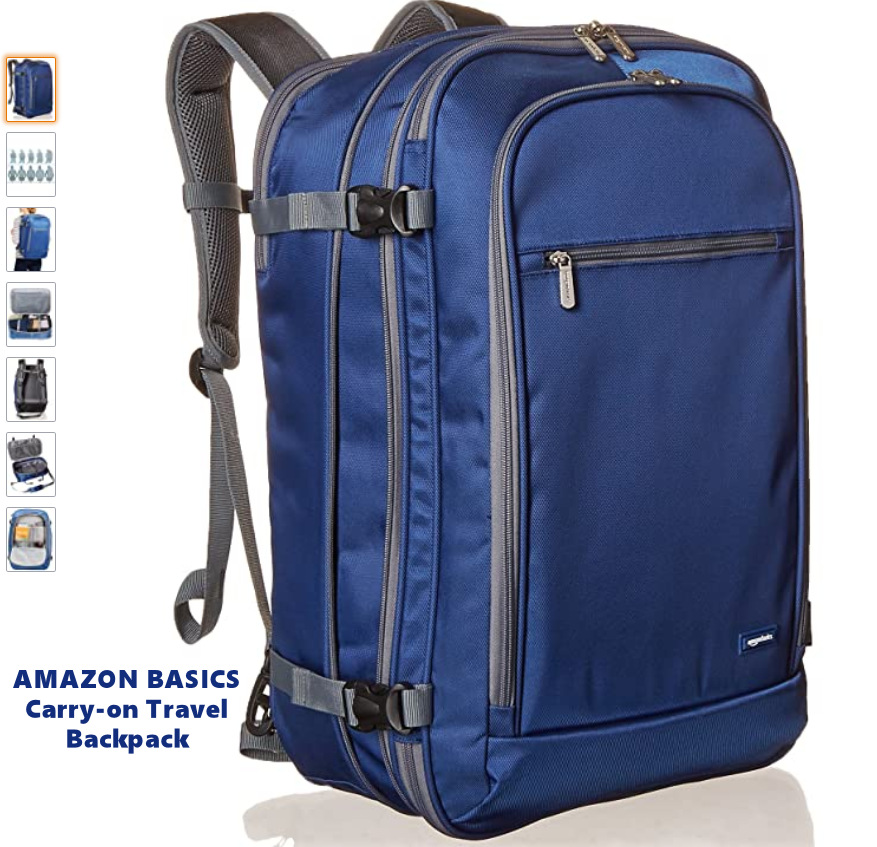
This had been the kind of glimpse I like to give caregivers in my books! Yes, sharing information so they, too, could prepare.
I recognized that I had to update our emergency bag (see below) more often, to check that meds were current, that keys were there, that the emergency items on the bag list were there. I would not put the bag back on it’s hook until I did that. DOWNLOAD Grab ‘n’ Go Bag List here. Use as example to make your own list.
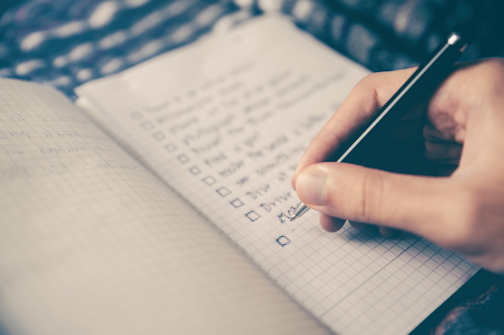
Fortunately, that early morning emergency turned out to be “nothing serious.” But the urgency to check my Grab ‘n’ Go bag became high priority!
REMEMBER YOUR CELL PHONE
If you use a battery-powered cell phone, be sure it has power. Take (spare) power cord in case you can use it. Some phones can ‘share power,’ but unfortunately not all brands can at this writing. Check before you need it.
REMEMBER: your walking cane, rolling walker, or wheel chair, if necessary. Make lists if it helps.
DESIGNATE A MEETING PLACE
As part of your emergency strategy, plan to have a designated meeting place that someone else knows about, where you, with your loved one, will meet at a later time. You may be able to communicate by phone but you may not. Planning and knowing ahead of time adds to the potential for a safe transition. If your loved one cannot go alone, be sure you stay with them.
INCLUDE AS MANY AS NECESSARY IN YOUR PLAN
If your loved one is not with you but with someone else, have a plan in place so everyone knows what will happen. It helps everyone to stay calm and to be able to think clearly. Work with those who lead programs your loved one may attend to become familiar with their plans and let them know yours.
The same for those who come to your home to care for your loved one, PSWs or family members who might be involved. Let them know the plan and where they fit into it.
First and foremost, remain calm. Stay aware of the surrounding situation(s). Be sure your loved one is safe and feels safe. Prepare your mind and your plan ahead of time. As part of the plan, prepare the bag that has everything for unpredictable emergencies.
BEING PREPARED means much more than a suitcase
with clean underwear and medication!
DOWNLOAD Grab ‘n’ Go Bag List here. Or use as example to make your own list.
This emergency bag needs to be specific to the needs of your and your loved one. Take time to go through all the aspects of ‘what if’ and write out instructions, make written plans…make it your own. It is more than a bag with extra underwear in it, your planning might save your lives.

- Make an emergency Grab ‘n’ Go Bag with wheels, if convenient) for you and your loved one(s). Gather items and determine best size needed. Can you lift or carry it?
- Slippers, extra set of clothes
- Extra underwear or depends
- Plastic bag to put wet clothes in
- Tissues, wet wipes
- Spare eyeglasses, sunglasses
- Medical documents, medication list, medications
- If there is a protocol, have it written out in case someone else has to follow it. Have all supplies that are involved with the instructions.
- Health card(s), doctor list and phone numbers
- Small notebook and pencil
- Phone (if not elsewhere) and phone charger/cord
- Identification documents, including passports
Personal lanyard ID to be worn if away from home - Power of Attorney (POA), copy of will
- Current photograph
- iPad, book and/or magazine for entertainment for one with Alzheimer’s
- Medic Alert information (be sure bracelet or ID is worn)
- Emergency phone list in case you need to make calls
- Bottled water for each person
- Snack items
- Extra money or credit card
- Face masks and disposable gloves
- Hand Sanitizer
- Evacuation plan
- Follow plans, rules, orders to make efficient evacuation
- Know the meet-up place assigned (tree across the street, etc.)
- Plan transportation to call, plan a safe destination
- Prepare to share diagnosis with staff where you go, hotel, airline etc.
- Stay together, do not leave loved one alone
- Remain calm so as not to create anxiety for anyone
- Prepare what you would do if wandering, agitation or aggression were to begin.
For your local area, check online to see if there are specific instructions for emergencies related to those with memory loss .
Put all pertinent information, instructions, medications, necessary for anyone else to know and be able to find, in your bag. Keep it close to the exit door. Do not keep it in your car if you car is not accessible. Example: In a fire alarm situation in our apartment we would not be able to go to the parking garage to get our car.

DOWNLOAD Grab ‘n’ Go Bag List here. Use as example to make your own list.
…
TWO MORE:
(1) Additional example list from a caregiver group at the Finger Lakes Independence Center in New York.:
Emergency Preparedness
Remember important items that may be overlooked when leaving your home in a disaster.
Any emergency is easier to handle when you have prepared ahead of time. Put together an emergency kit with important items to keep at home, and a go bag with items you will need to take with you if you evacuate. Think about what you and your family would need in a disaster. You can make kits for your home, car or workplace. Emergencies can happen anywhere.
When severe weather is predicted, make sure your car has a full tank of gas. You don’t want to wait in line for gas if you are told to evacuate. Some storms may also knock out electricity, causing gas stations to close.
Task One Gather your emergency supplies in an accessible place
Have a go bag ready if you have to shelter in place or evacuate your home. Your go bag can be part of your emergency kit, just make sure it is in a bag or easy to carry container and that it is easy to get to.
Think about these items for your go bag:
- Battery powered radio and extra batteries
- Flashlight with extra batteries
- Lightweight blankets
- Emergency information, including insurance policies
- A list of medications and correct dosage, and doctor’s names
- Personal items such as toothbrushes, soap, extra glasses, etc.
- Whistle
- First aid kit
- Change of clothing
- Non-perishable snacks
- Books, cards or magazines to pass the time
Consider these additional items for infants and children:
- Baby formula and food
- Diapers
- Baby wipes
- Blanket or toy
Consider these additional items for medical conditions:
- Empty pill bottle(s) or a list of current medications
- Your doctor’s phone number
*Make sure you update your go bag when your medications change.
For pets:
- Pet food & water
- Collar with ID tags
- Pet medication(s)
- Pet carriers and leashes
- Medical records from vet
- Photos of your pet
- Microchip information
Task Two: Create an emergency supply kit for your pet, your car, and your work place or school.
Disasters can strike when you are away from home. If your office or school does not have an emergency kit, offer to help make one. The kit should include:
- First aid supplies
- Flashlights or light sticks
- Building emergency procedures
- Building maps showing evacuation and shelter areas
- Pens or pencils
- Signs with the words “Need Help” and “All Clear”
- Clipboard with class/staff names
Make or buy an emergency kit for your car. If you travel with your pet regularly, make sure that you have an emergency kit for them as well. Some items to think about for your car kit are: a small first aid kit, flashlight or light sticks, flares or reflective cones, a blanket, cell phone charger, jumper cables, bottled water, non-perishable snacks, and a “help” flag or brightly colored cloth that can be tied to the antenna.
Task Three: Stash some cash in case ATM’S and credit card machines are not usable in a disaster
Many things that we take for granted are not available when there is no power. ATM machines may not work. Grocery stores and other businesses may not be able to accept your credit or debit card. Cash could be the only acceptable means to make a purchase. Some experts say you should have at minimum $150.00 in cash stashed away. Realizing this may not be possible for everyone, any amount is good to start with. Take $1.00 dollar a week and place it in an envelope in your emergency kit. In just a little time, you will have some cash stashed away for use in emergencies.
(2) From do1thing, from Lansing, Michigan:
..Pictures are representations but not actual locations or people from the story.
‘What if’ Emergency Copyright © 2020 – 2023 Judith Allen Shone
BE PREPARED, become aware of the role of caregiver…read stories of a spouse-caregiver, written in real time. Read the stories I share to become prepared for life in the world of Alzheimer’s!
Printed with LARGE type in paperback and hardcover.

For more book information, visit caregiver-books.com
Order from local independent book stores, in paperback, hardcover and eBook. Thank you. 🍦🍪
A Different Drummer Books Burlington, Ontario,
The Bookworm in Omaha, Nebraska,
Maria’s Bookshop in Durango, Colorado
or order online from most booksellers, including Amazon.ca or nearest you.
 Accepting the Gift of Caregiving